Yoga for Flexibility: Improve Your Body and Mind Naturally
Yoga is a simple way to improve flexibility and support a healthy body. It helps stretch tight muscles, improve movement, and build strength. You do not need to be flexible before you start yoga. With regular practice, you can slowly improve your range of motion and feel more comfortable in your body.
Many people practice yoga to reduce stress and improve their daily lives. It can also help you develop better body awareness, balance, and posture.
What Is Flexibility in Yoga?
Flexibility is the ability to move your joints and muscles through a comfortable range of motion. Some people are naturally flexible, while others need more time and practice.
Yoga uses gentle poses, breathing exercises, and mindful movement to support flexibility. Each pose helps you stretch different parts of your body. Over time, regular practice can make everyday movements feel easier.
Benefits of Yoga for Flexibility
1. Helps Stretch Tight Muscles
Sitting for long hours can make your hips, shoulders, and back feel tight. Yoga includes poses that gently stretch these areas. Regular practice may help reduce stiffness and improve comfortable movement.
2. Supports Better Posture
Poor posture can place extra stress on your body. Yoga helps you become more aware of how you sit, stand, and move. It also strengthens muscles that support your spine.
3. Improves Balance and Movement
Many yoga poses require balance and body control. Practicing them can help improve coordination and stability. These skills are useful in daily activities, sports, and other forms of exercise.
4. Helps Calm the Mind
Yoga is not only about physical movement. Slow breathing and mindful practice can help you feel calmer. When your mind feels relaxed, it may also become easier to notice tension in your body.
Best Yoga Poses for Flexibility
You can begin with simple poses and increase your practice slowly.
Downward-Facing Dog: This pose stretches the shoulders, legs, and back. Keep your knees slightly bent if your hamstrings feel tight.
Cat-Cow Pose: Move gently between rounding and extending your spine. This pose helps improve spinal movement and warms up your back.
Child’s Pose: This relaxing pose gently stretches the back and hips. Use a cushion under your knees if needed.
Butterfly Pose: Sit with the soles of your feet together. Let your knees move toward the floor without pushing them down.
Low Lunge: This pose stretches the front of your hips. Keep your movement controlled and use support if you need help with balance.
Always move within a comfortable range. Never force a stretch or push through sharp pain.
How Often Should You Practice Yoga?
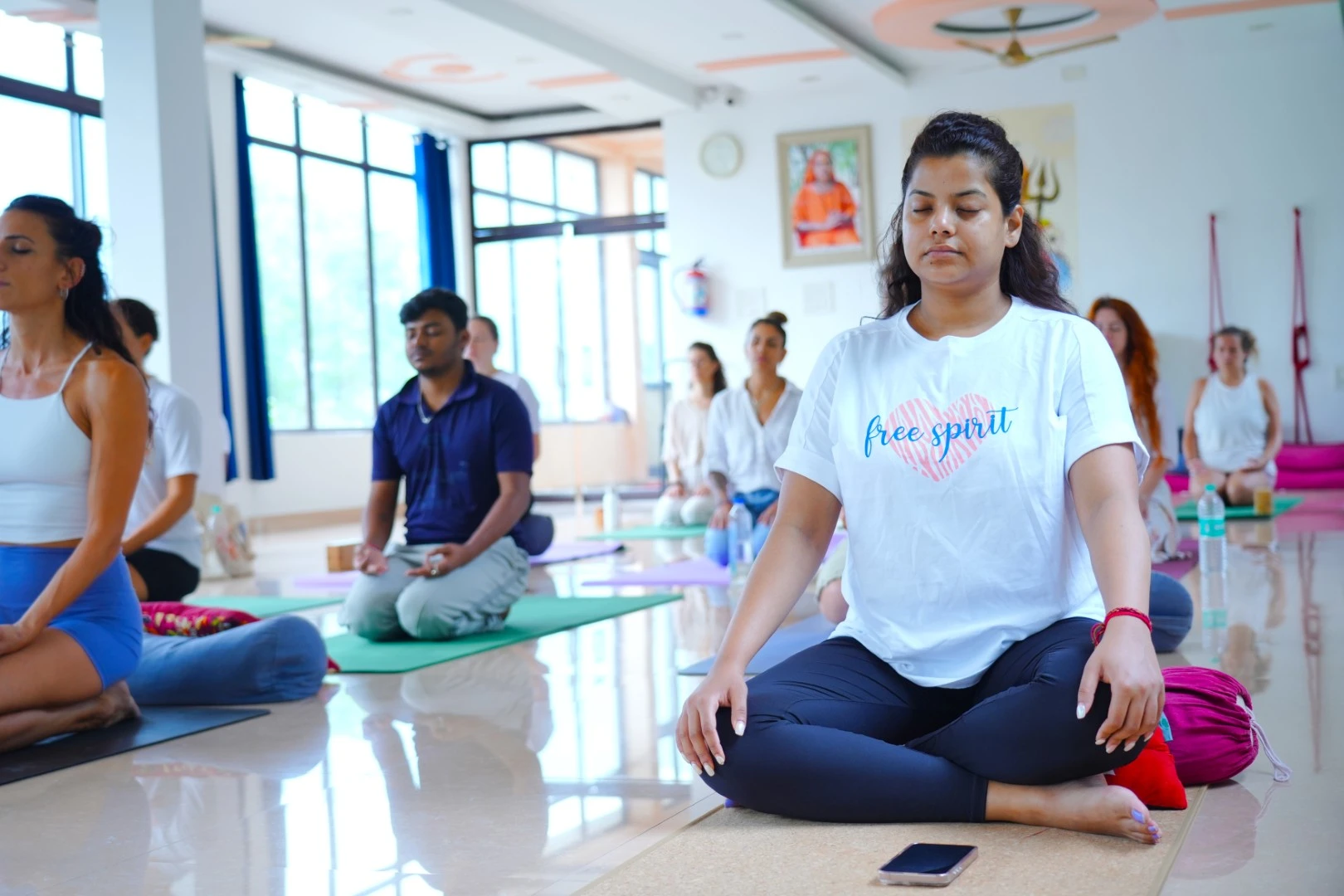
Consistency is more important than doing difficult poses. Start with 10 to 15 minutes a day, three or four days a week. As your body becomes comfortable with the practice, you can slowly increase the time.
Follow these simple tips:
- Warm up before deeper stretches.
- Breathe slowly and naturally.
- Avoid bouncing during stretches.
- Use blocks, cushions, or straps for support.
- Rest when your body feels tired.
- Practice regularly instead of forcing quick results.
Your progress may be different from someone else’s. Focus on how your body feels rather than how far you can stretch.
Learn Yoga in Rishikesh
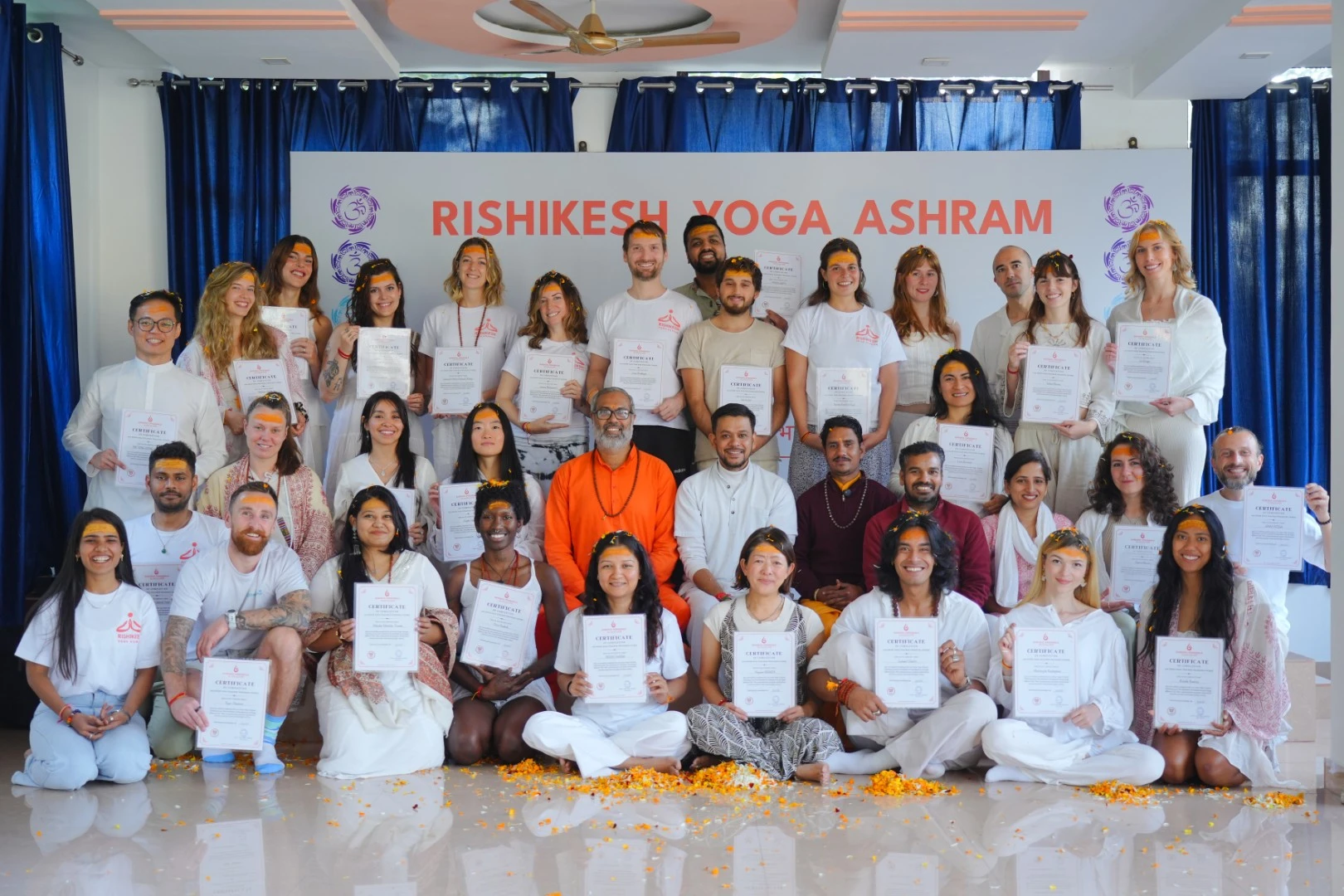
Rishikesh is a popular destination for people who want to deepen their yoga practice. Its peaceful surroundings and long yoga tradition attract students from around the world.
Joining Yoga teacher training in rishikesh can help you learn more about yoga poses, breathing techniques, meditation, and yogic philosophy. It can also help you build a regular personal practice.
A 200 hour yoga teacher training in rishikesh is often a good starting point for beginners and students who want to understand yoga in greater depth. It usually covers foundational poses, alignment, anatomy, and teaching skills.
For students who already have yoga experience, a 300 hour yoga teacher training in rishikesh can offer a deeper study of asana, pranayama, meditation, and teaching methods. Check the course requirements before enrolling to ensure the program suits your experience and goals.
Common Mistakes to Avoid
Trying to become flexible too quickly can lead to discomfort or injury. Avoid comparing your body with others. Each person has a different body structure and range of motion.
Do not hold your breath during a stretch. Breathing helps you stay relaxed and aware of your limits. Also, avoid copying advanced poses without learning the correct technique.
If you have an injury, ongoing pain, or a medical condition, speak with a qualified health professional before starting a new practice. A trained yoga teacher can help you choose suitable modifications.
Start Your Flexibility Journey Today
Yoga offers a gentle way to care for your body and mind. You do not need special equipment or advanced skills to begin. Start with simple poses, breathe comfortably, and give yourself time to improve.
With patience and regular practice, you may notice better movement, greater body awareness, and a calmer mind. Make yoga part of your daily routine and enjoy the journey one pose at a time.