Why Concrete Quality Matters in Basement Construction
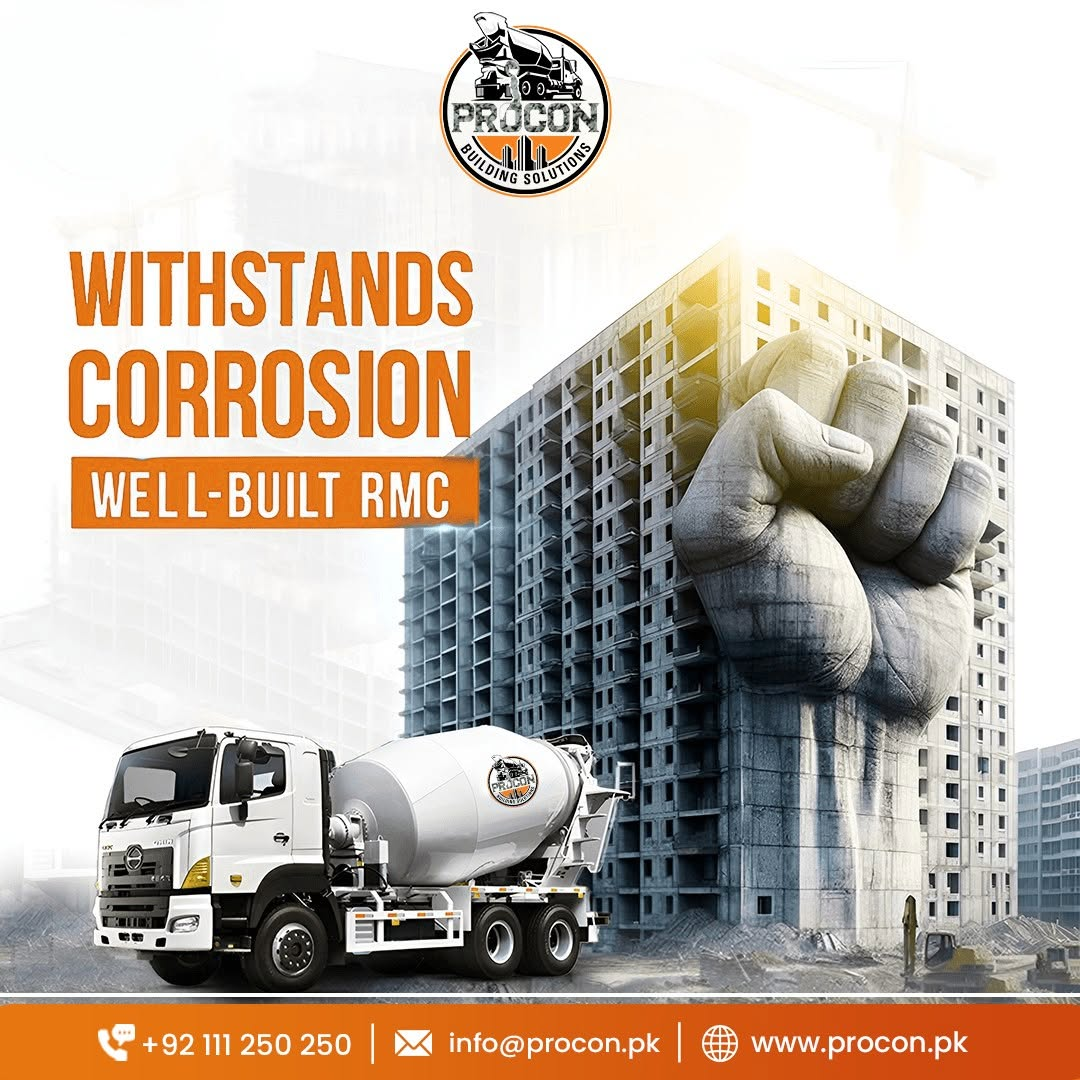
In high-density urban development and residential architecture, subterranean spaces offer valuable room for parking, storage, and mechanical utilities. However, subterranean levels present unique structural challenges due to surrounding hydrostatic pressure, soil movements, and persistent moisture exposure. For developers, structural designers, and building contractors utilizing an efficient concrete pump Karachi, ensuring top-tier concrete quality in basement construction is the single most critical factor in guaranteeing long-term safety, durability, and habitability.
1. Resisting Hydrostatic Pressure and Soil Mechanics
Basement walls and floor slabs act as retaining structures that constantly withstand lateral soil pressures and rising groundwater tables.
- Preventing Structural Flexure and Cracking: Low-grade or improperly batched concrete lacks the tensile and compressive strength () needed to endure continuous lateral loads. High-performance concrete mix designs prevent wall deflection, structural shear failure, and micro-cracking caused by soil shifting.
- Ensuring Uniform Structural Density: Underground retaining walls require high-density concrete matrices that distribute loads evenly across footings, preventing localized structural distress.
2. Guarding Against Water Ingress and Chemical Attack
Moisture is the primary enemy of subterranean concrete structures. Soil moisture frequently contains dissolved salts, sulfates, and acidic compounds that can severely degrade lower-grade materials.
- Eliminating Internal Permeability: Premium ready-mix formulations maintain low water-cement ratios through advanced superplasticizers, creating a dense capillary network that naturally blocks water migration.
- Protecting Embedded Steel Reinforcement: Water infiltration leads to carbonation and chloride-induced corrosion of steel rebar. As rebar rusts, it expands, causing concrete spalling and severe structural degradation. Utilizing high-durability mix designs with waterproofing admixtures protects steel reinforcement for decades.
- Preventing Mold and Efflorescence: Moisture seepage creates damp underground environments prone to toxic mold growth and unsightly efflorescence, compromising indoor air quality and usability.
3. Enhancing Placement Efficiency in Subterranean Spaces
Subterranean sites present tight access points, deep excavations, and dense steel reinforcement cages. Pouring low-slump or unengineered concrete into these restricted zones often causes honeycombing and void formation.
- Optimized Workability and Flowability: High-quality, specialized mix designs flow smoothly around congested rebar and deep formwork without segregating or trapping air pockets.
- Seamless Pumping Solutions: Engineered mixes maintain consistent slump and cohesion under pressure, allowing concrete pumps to deliver material cleanly and continuously to deep underground levels without clogging or delaying site operations. Partnering with industry leaders like Procon ensures that custom-designed subterranean mix formulations, modern batching precision, and reliable delivery equipment back every phase of basement execution.
Conclusion
Ultimately, high-grade concrete serves as the primary barrier protecting subterranean spaces against structural failure and environmental decay. By resisting hydrostatic pressures, blocking moisture infiltration, and ensuring seamless placement around dense steel reinforcement, premium concrete mix designs safeguard the entire structure above. For developers, architects, and contractors seeking uncompromised durability, safety, and operational speed across complex subterranean builds, utilizing dependable concrete pump Karachi services delivers the ideal foundation backed by technical precision for lasting architectural success.
Survey No. 423, Ibrahim Hydri, behind Bol head quarter, Korangi creek road, Karachi-74900
+92 21 111 250 250